Complete Car Camping Checklist: What You Actually Need + Free Printable
There’s a lot to remember when you’re packing for a camping trip. The tent and sleeping bags are obvious enough, but it’s usually the smaller things — the tent stakes, mattress pump, lighter, charging cable or can opener — that are easiest to leave behind.
This car camping checklist covers everything you need to work through before your trip, from your tent and sleeping setup to cooking gear, food, clothing, lighting and those useful extras that can make your campsite more comfortable.
We’ll also cover a few things worth checking before you start packing, including the campground facilities, overnight weather, fire restrictions and whether you can actually park beside your campsite.
And to make packing easier, we’ve created a free printable car camping checklist that you can save or print and tick off as everything goes into the car.
This post contains affiliate links. As an Amazon Associate, The Avid Campers earns from qualifying purchases. If you buy through one of these links, we may earn a small commission at no extra cost to you.
Useful Gear for Your Car Camping Setup
You don’t need to buy everything on this checklist. If you’re building your setup, these are four pieces of gear we think are particularly useful for car camping.
- Sea to Summit Camp Plus SI Sleeping Mat — a comfortable self-inflating option without moving into premium camping-mattress pricing.
- Coleman Triton+ 2-Burner Camping Stove — a practical two-burner stove when you’ll be cooking proper meals at camp.
- Petzl Tikkina Headlamp — a simple, affordable headlamp that keeps both hands free around camp after dark.
- Mac Sports Collapsible Folding Outdoor Utility Wagon — particularly useful when the parking area isn’t directly beside your campsite.
What Is Car Camping?
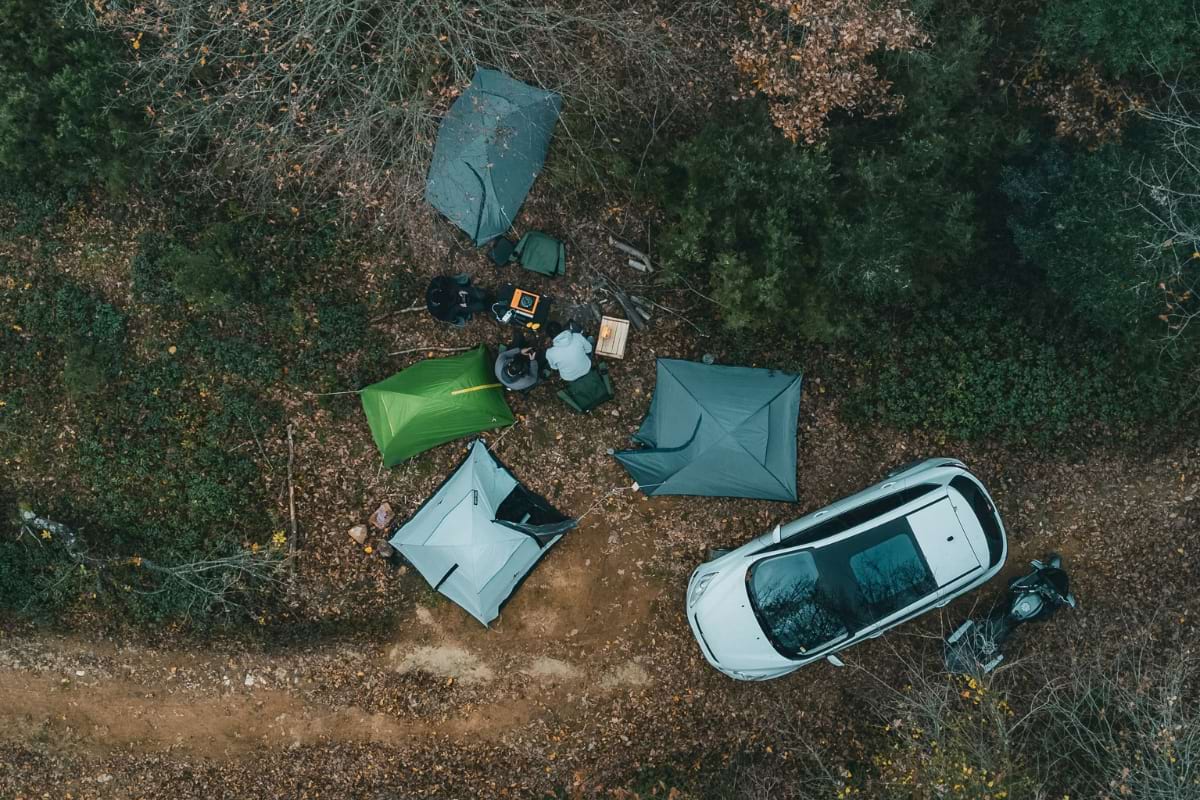
For this guide, when we talk about car camping, we mean driving to a campground or designated camping area and setting up your tent at, or reasonably close to, where you’ve parked.
That’s different from backpacking, where you carry your camping gear with you on the trail. It’s also different from sleeping inside your car, SUV or campervan — although you’ll sometimes see the term “car camping” used for that too.
Because your gear travels most of the way in the car, you have more flexibility with what you bring. A larger tent, comfortable air mattress, cooler, camp chairs and a few extra comforts are all realistic options.
Just remember that car camping doesn’t always mean your car will be parked directly beside your tent. Some campgrounds have separate parking areas, which is why checking the campsite layout before packing is worthwhile.
Quick Car Camping Checklist: The Essentials
If you’re short on time, start here. You may want to add a few things depending on where and when you’re camping, but these are the basics we’d make sure are covered first.
Shelter & Campsite
- Tent
- Tent poles
- Rainfly
- Tent stakes, plus a few spares
- Guy lines
- Tent footprint or groundsheet
- Mallet
- Camping chairs
Sleeping
- Sleeping bag for each person
- Sleeping pad or air mattress
- Mattress pump, if needed
- Pillow
- Extra blanket
- Comfortable sleepwear
Cooking & Food
- Camping stove
- Correct fuel for your stove
- Lighter plus a backup
- Pot and/or frying pan
- Cooking utensils
- Knife and cutting board
- Plates, bowls, mugs and cutlery
- Can opener and bottle opener
- Cooler
- Ice or ice packs
- Food
- Drinking water
Clothing
- T-shirts or base layers
- Pants and/or shorts
- Warm layer
- Rain jacket
- Underwear
- Socks, including spares
- Comfortable walking or hiking shoes
- Camp shoes or sandals
- Hat and sunglasses
Lighting, Safety & Personal Care
- Headlamp or flashlight for each person
- Lantern
- Spare batteries
- Power bank and charging cables
- First aid kit
- Personal medications
- Sunscreen
- Insect repellent
- Toilet paper
- Hand sanitizer
- Toiletries
- Trash bags
- ID and campground reservation details
Free printable: We’ve turned the full checklist into a simple printable version so you can tick things off as you pack. Grab it here rather than trying to remember everything from the article.
Before You Pack, Check Your Campsite
Before pulling all your camping gear out of storage, spend a few minutes checking exactly what is available at your campground.
It can save you from bringing things you don’t need and, more importantly, prevent you from arriving without something you assumed would be there.
- Whether potable drinking water is available
- Whether your site has a picnic table
- What toilet and shower facilities are available
- Whether campfires or charcoal grills are currently permitted
- Any rules around food storage, particularly in bear country
- Whether firewood can be brought into the area
- Check-in and check-out times
- Whether pets are allowed and any applicable rules
- The weather forecast and expected overnight temperature
- Whether you can park beside your campsite
That last one is particularly easy to overlook.
When we’ve camped before, the distance between the parking area and the actual camping spot has made a folding cart incredibly useful. Even if you’re technically car camping, you may still need to move your tent, bedding, chairs, food, cooler and other gear some distance from the car.
Check the campsite layout before you leave. If there’s a walk between the parking area and your pitch, think about how you’re going to move everything before you get there.
Tent & Campsite Setup
What to Pack
- Tent
- Tent poles
- Rainfly
- Tent footprint or groundsheet
- Tent stakes
- Spare stakes
- Guy lines
- Mallet
- Camping chairs
- Tarp or shade shelter, if needed
- Camping table, if one isn’t provided
- Small mat for outside the tent
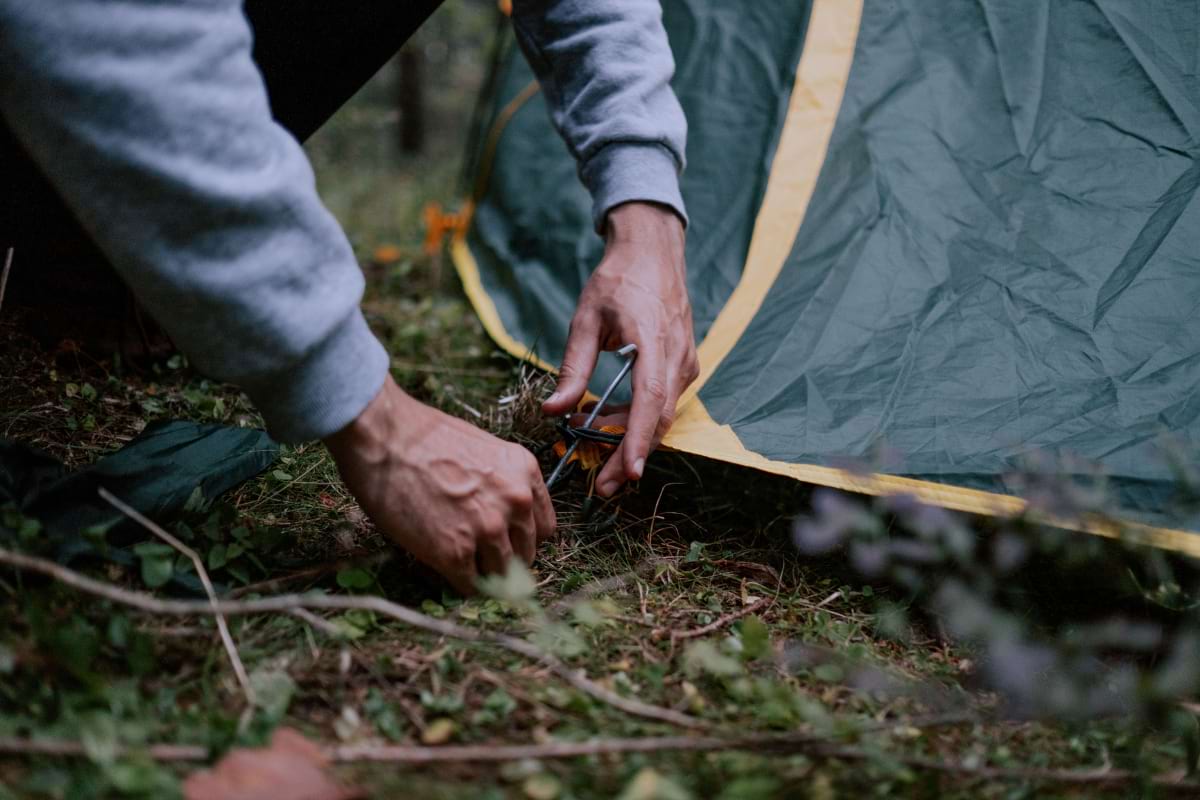
If your tent is new, or it’s been sitting in storage for a while, don’t make the campsite the first place you try to pitch it. Tents can be notoriously fiddly to set up, and sometimes even more frustrating to fold back down and fit into the bag again.
Set it up at home if you can. You’ll get a chance to work out how everything fits together and can check for missing poles, bent stakes, damaged zips or anything else that needs attention before the trip.
We’ve also personally made sure to save the setup instructions on our phones before leaving. If the manufacturer has a useful setup video, save or download that too. Campsites don’t always have reliable signal, and having the instructions available offline can save a lot of frustration.
Don’t forget the rainfly simply because you’re camping in summer either. Weather can change unexpectedly, and it’s worth knowing how everything fits together before you actually need it. If rain is in the forecast, our camping in the rain tips cover a few extra ways to keep your setup and gear dry.
Choosing a Good Place to Pitch Your Tent
If you have some choice over where your tent goes, take a minute to look at the ground before setting up.
Look for a reasonably flat, established camping surface rather than a slope or low point where water could collect. Check for uncomfortable rocks, roots or anything sharp underneath the tent.
Shade can be a big advantage at a hot campsite, but also look above you and follow any campground guidance about where tents may be pitched. Avoid damaged or unstable-looking trees and branches.
A tent footprint can help protect the bottom of your tent from dirt and abrasion. It should sit underneath the tent rather than extending beyond it. If a tarp sticks out around the edges, rain can collect on it and run underneath your tent. If you’re not sure whether you need one, we have a separate guide explaining what a tent footprint is and when it’s useful.
Sleeping Gear
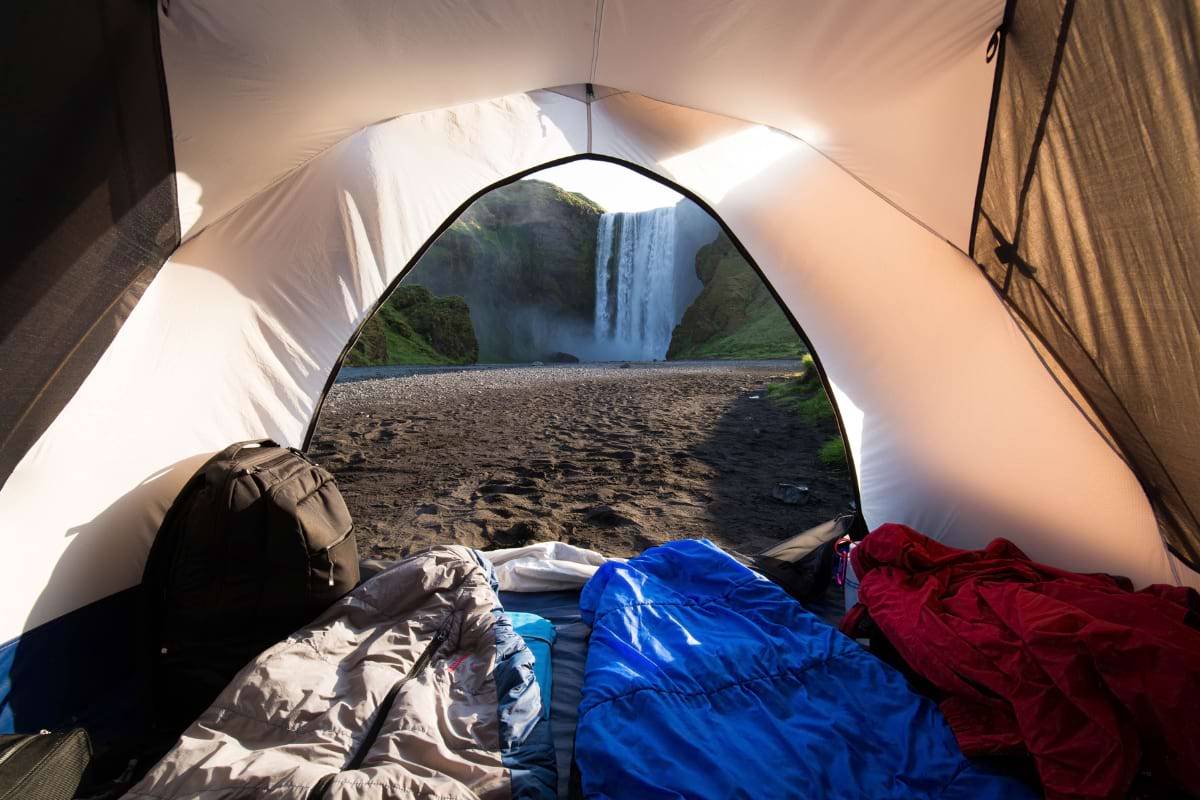
A bad night’s sleep can make a camping trip feel considerably less fun by sunrise.
Fortunately, this is one area where car camping gives you more freedom. If you have the room, you can prioritise comfort rather than choosing everything based on how compact or lightweight it is.
What to Pack
- Sleeping bag
- Sleeping pad or air mattress
- Mattress pump, if required
- Correct batteries, cable or power source for the pump
- Pillow
- Extra blanket
- Sleepwear
- Earplugs
- Eye mask, if useful
When we’ve camped before, having a comfortable inflatable mattress has been one of the things worth prioritising. If you have room in the car, a more comfortable sleep setup is well worth the extra space.
Just make sure the pump comes with it.
Check how your pump is powered before leaving. Some use batteries, some recharge by USB and others plug into a vehicle socket.
You also need insulation underneath you when temperatures drop. A sleeping bag works by trapping warm air around your body, but the insulation beneath you becomes compressed when you lie on it. A sleeping pad can therefore make a considerable difference to how warm you feel from below.
If you’re buying or choosing a sleeping pad for colder conditions, look at its R-value. In simple terms, a higher R-value means greater resistance to heat loss through the ground.
Your sleeping bag also needs to suit the expected nighttime conditions, not just the daytime forecast. If you’re camping in cooler weather, check the manufacturer’s temperature information rather than choosing a bag simply because it looks thick. If the bag has an ISO or EN temperature rating, remember that comfort and lower-limit ratings mean different things, and how warm you actually feel will also depend on your sleeping pad, clothing and individual tolerance to cold. For colder trips, see our guide to staying warm in a tent.
If comfort is a priority, the Sea to Summit Camp Plus SI Sleeping Mat is a comfortable self-inflating option without moving into the price range of some premium car-camping mattresses.
Camp Kitchen, Food & Water
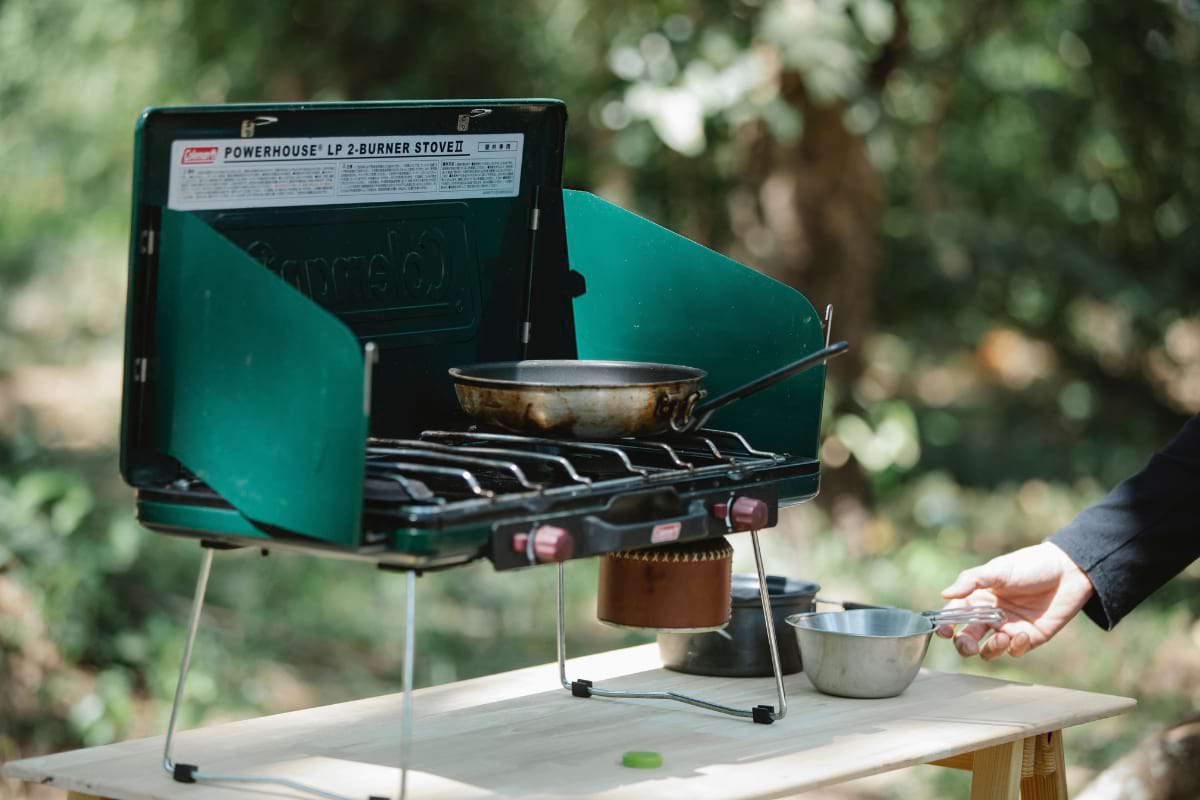
The camp kitchen is one of those areas where the small things are often the easiest to forget. Leaving a camp chair at home is inconvenient; realizing you packed canned food but no can opener can leave you scrambling for a workaround at dinner.
A checklist is particularly useful here.
You don’t need an elaborate outdoor kitchen, though. Decide what you’re going to eat first, then pack the equipment required to prepare those meals.
Cooking Gear
- Camping stove
- Correct fuel, plus enough for the trip
- Lighter
- Backup lighter or matches
- Pot
- Frying pan, if needed
- Spatula, spoon and/or tongs
- Sharp knife with a safe cover
- Cutting board
- Aluminum foil
- Coffee maker or brewing setup
- Coffee or tea
- Food thermometer if cooking foods that require temperature checking
A two-burner stove can be particularly convenient when you have room for one because you can heat water while cooking something else. The Coleman Triton+ 2-Burner Camping Stove is the model we’ve selected for this setup.
Whatever stove you use, check the fuel connection before the trip. Don’t assume that the canister sitting in the garage is the right one.
And bring a second way of lighting it. Built-in stove igniters can fail, matches can get wet and lighters run out.
Eating & Serving
- Plates or bowls
- Cutlery
- Cups or mugs
- Can opener
- Bottle opener
- Paper towels or reusable cloths
Keep this part practical and plan it around the food you’re actually taking. If you’re cooking simple meals for two people, for example, you don’t need a large collection of cookware, utensils and serving dishes.
Look through your meal plan and work out what you’ll actually use for cooking and eating. This keeps the kitchen setup manageable and means there’s less equipment to wash and repack afterwards.
Cooler & Food Storage
- Cooler
- Ice or reusable ice packs
- Cooler thermometer
- Leak-proof food containers
- Zip bags
- Food for each planned meal
- Snacks
- Condiments
- Cooking oil
- Salt, pepper and seasonings
- One simple backup meal
Perishable food should be kept at 40°F (4.4°C) or colder. A small cooler thermometer makes this much easier to monitor rather than relying on whether the cooler still feels cold. We go into cooler setup, ice and food storage in more detail in our guide to keeping food cold while camping.
Pack foods in sealed containers so melting ice doesn’t soak packaging or mix with anything that leaks.
Opening the cooler repeatedly also lets cold air escape. If you’re camping for several days and have room for two coolers, separating frequently used drinks or food from perishables that don’t need to be opened until later can help.
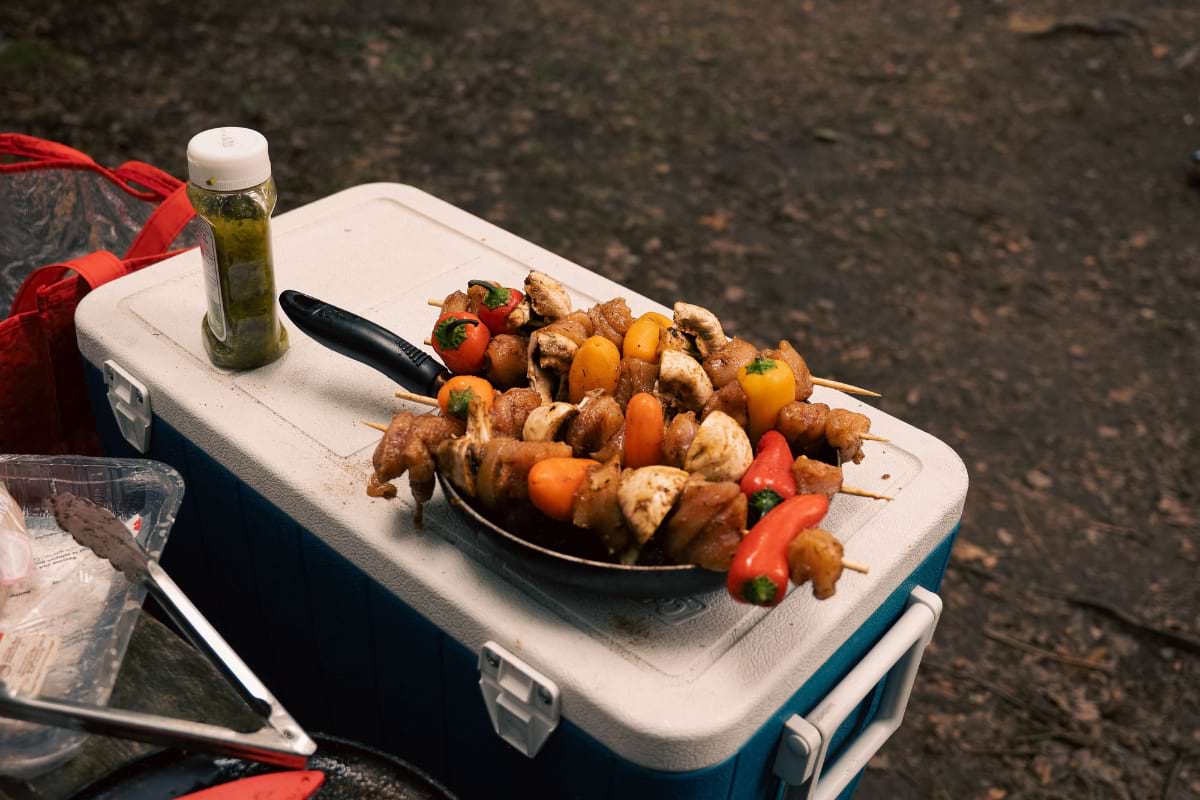
Plan Your Meals Before You Pack
Writing down breakfast, lunch and dinner for each day makes packing much easier.
You can buy exactly what you need, work out which cooking equipment each meal requires and avoid bringing a cooler full of ingredients that never get used.
Doing some preparation at home helps too. Chop ingredients, portion seasonings or prepare complete meals before you leave. If coffee is non-negotiable in the morning, we’ve also compared some of our favorite coffee makers for camping.
It’s also worth having one simple shelf-stable backup meal. Plans can change, you might get back to camp later than expected, or you simply might not feel like cooking the meal you’d originally planned.
Water
Never assume a campground has drinking water.
Check before you go. If potable water isn’t available, bring enough with you or have a reliable method of treating water. Don’t assume water from a lake, river or stream is safe to drink simply because it looks clean.
A larger water container with a spigot can be much easier to use around camp than repeatedly pouring from individual bottles.
Washing Up
- Dish tub or collapsible basin
- Dish soap
- Sponge or scrubber
- Dish towel
- Small strainer where appropriate
- Trash bags
- Recycling bag where facilities are available
Follow the campground’s instructions for disposing of dishwater. If there isn’t a designated disposal point, follow the applicable local or land-manager guidance and keep food scraps out of your wastewater.
Clothing & Footwear
You don’t need a different camping outfit for every day. What matters more is having clothes you can layer as temperatures and weather conditions change.
What to Pack
- Underwear
- Socks, plus spares
- T-shirts
- Pants and/or shorts
- Base layers for colder trips
- Fleece, sweatshirt or other warm layer
- Rain jacket
- Comfortable walking or hiking shoes
- Camp shoes or sandals
- Sun hat
- Warm hat for colder conditions
- Sunglasses
- Swimwear, if relevant
Always check the overnight low, not only the daytime high.
A warm afternoon can turn into a surprisingly cold night, particularly at higher elevations. Having a warm layer sitting unused in the car is preferable to wishing you’d brought one in the middle of the night.
Spare socks are also worth the tiny amount of space they take up. Once a pair gets wet, muddy or sweaty, being able to change into dry socks makes a noticeable difference.
Lighting, Power & Safety
Lighting & Power
- Headlamp or flashlight for each person
- Camp lantern
- Spare batteries
- Power bank
- Charging cables
- Car charger
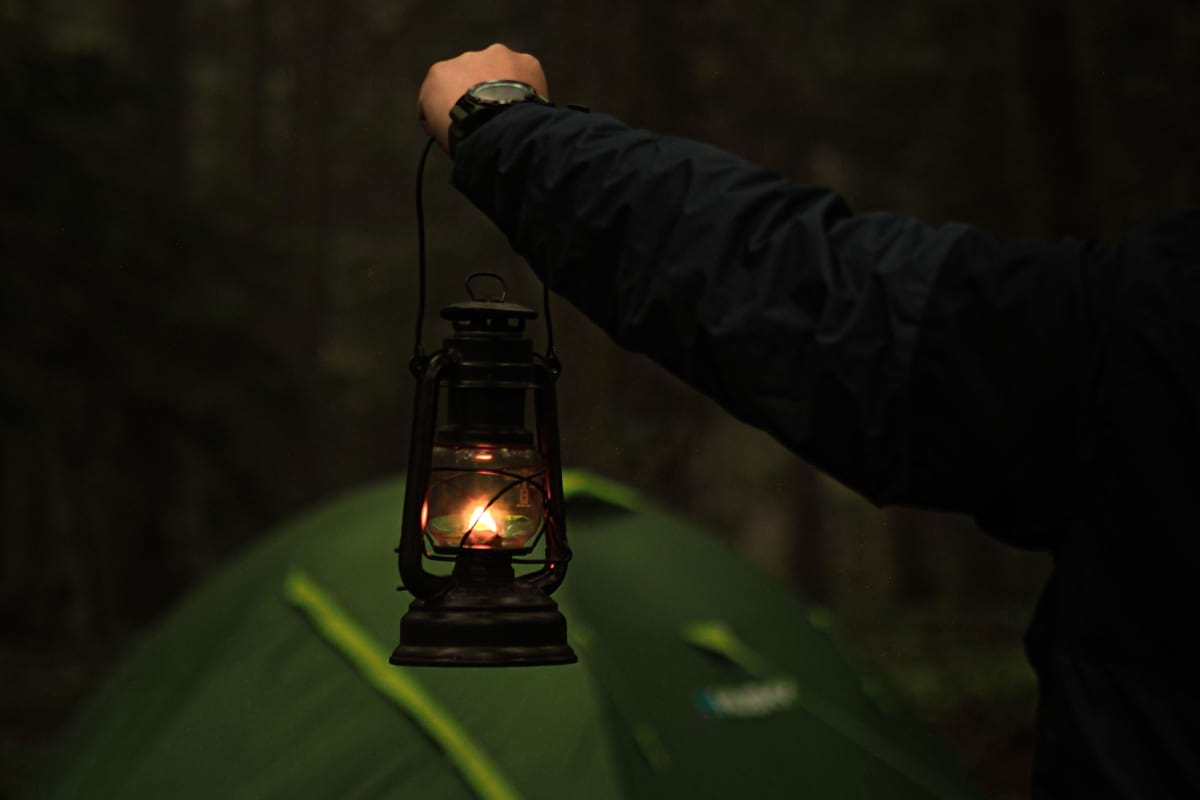
Once the sun goes down, good lighting quickly becomes one of the most useful parts of your setup.
A headlamp is particularly useful because both hands stay free while you’re cooking, setting something up or making your way to the bathroom after dark. The Petzl Tikkina is a straightforward, affordable option for general campsite use.
A lantern gives you general light around the table or inside the tent. For the tent interior, use an appropriate battery-powered or rechargeable light rather than anything that burns fuel.
For most weekend trips, a decent power bank may be all you need for phones and smaller rechargeable devices.
A portable power station is a different category. It can make sense if you’re camping for longer, running higher-demand equipment or have a specific need for reliable power, but it isn’t something every new camper needs to buy.
Safety & First Aid
- First aid kit
- Prescription and personal medications
- Emergency contact information
- Whistle
- Multi-tool
- Basic repair supplies
- Offline map or directions
Check your first aid kit occasionally rather than assuming that because you own one, it’s ready to go. Replace things you’ve used and check anything with an expiry date.
It’s also worth letting someone know where you’re going and when you expect to return if you’re heading somewhere remote.
Never use a fuel-burning camping stove, grill or charcoal inside a tent or vehicle. Carbon monoxide can build up to dangerous levels in enclosed spaces. Follow the manufacturer’s safety instructions and campground rules for any cooking or heating equipment.
Fire restrictions can also change with conditions, so check with the campground or relevant land manager shortly before your trip rather than assuming you’ll be allowed to have a campfire.
Toiletries & Personal Care
You don’t need to pack differently from your normal overnight toiletries, but camping does add a few things that are particularly useful when bathrooms or running water aren’t always nearby.
What to Pack
- Toothbrush and toothpaste
- Toilet paper
- Hand sanitizer
- Soap
- Quick-dry towel
- Sunscreen
- Insect repellent
- Personal medications
- Feminine hygiene products, if needed
- Wet wipes, if useful
- Any other everyday toiletries you normally use
Even if your campground has restrooms, having your own toilet paper is a sensible backup.
Anything you bring into the campsite needs to be disposed of properly too. Used wipes and hygiene products belong in the appropriate trash rather than being left behind or buried.
Useful Car Camping Extras — Not Essentials
One of the easiest ways to make a car camping checklist overwhelming is to label every nice-to-have as an “essential.”
These aren’t.
Depending on your campsite and how you like to spend your time, though, one or two can make the trip much more enjoyable.
- Hammock and appropriate straps
- Folding wagon or camping cart
- Shade shelter
- Extra camp table
- Small battery-powered fan
- String lights
- Outdoor mat or rug
- Hanging organizer
- Games or playing cards
- Books
- Extra chairs
A folding wagon is particularly worth considering if your car won’t be parked beside the campsite. Instead of making repeated trips between the car and your pitch with the cooler, tent, chairs and bags, you can move much more of your gear in one go.
A shade shelter or small fan can be worthwhile at hot, exposed summer campsites, while a hammock makes sense if you’ll actually use it and the campground permits it. If you do take one, our guide to setting up a hammock between trees is worth saving before you leave.
That’s the test we’d use for most optional camping gear: will you genuinely use it on this particular trip?
If the answer is no, leave it at home.
How to Pack Your Car for Camping
Having enough space is only useful if you can find what you’ve packed.
Rather than throwing individual items into the trunk, group things according to how you’ll use them.
- Kitchen and cooking
- Food
- Tent and shelter
- Sleeping gear
- Clothing
- Toiletries
- Lighting and electronics
- Tools and repairs
Reusable tubs can work particularly well for equipment that goes on almost every trip.
A dedicated kitchen tub is especially useful. Keep your basic cooking utensils, can opener, lighter and washing-up supplies together between trips, and several of the easiest things to forget are already packed the next time you go camping.
Load the Car in the Order You’ll Need Things
Think about what you’ll need when you first arrive at the campsite and keep those items accessible.
Your tent, poles, stakes and mallet are likely to come out fairly early, so avoid burying them beneath everything else at the back of the trunk.
You may also want easy access to:
- Campsite reservation or directions
- Tent and setup gear
- Chairs
- Water
- Cooler
- Rain jacket
- Headlamp if you’re arriving late
If your vehicle isn’t parked beside the pitch, factor that into how you pack as well. Find out how far you’ll need to carry everything and consider whether a folding cart or wagon would make the setup easier.
15 Things That Are Easy to Forget When Car Camping
Once you’ve packed the larger gear, it’s worth doing one quick check for the smaller things that are easily overlooked.
- Tent stakes
- Mallet
- Lighter
- Backup lighter or matches
- Can opener
- Pillow
- Air mattress pump
- Correct stove fuel
- Trash bags
- Toilet paper
- Charging cables
- Cooking oil
- Salt and seasonings
- Headlamp
- Campground reservation details
Also check the accessories that go with your equipment. If you’re taking an air mattress, make sure you have the pump and whatever powers it. If you’re taking rechargeable devices, check the appropriate cables. And if you’re taking a stove, confirm you have the correct fuel.
What You Probably Don’t Need for Car Camping
Too Many Clothes
Pack layers that work together rather than an entirely different outfit for every day. You’ll probably spend much less time caring about what you’re wearing once you’re actually at camp.
Your Entire Kitchen
Plan the meals first and bring the equipment needed to cook them.
If several meals can use the same pot or pan, even better. You’ll have less to pack and considerably less to wash.
Equipment for Every Possible Scenario
Prepare for the conditions you can reasonably expect, plus sensible contingencies such as rain and a colder-than-expected night.
You don’t need equipment for every imaginable outdoor emergency on a weekend at a developed campground.
Every Camping Gadget You’ve Seen Online
Camping gear is a category where it’s remarkably easy to convince yourself you need another clever little gadget.
Start with the basics. After a few trips, you’ll have a much better idea of which additions would genuinely make camping easier or more comfortable for you.
Too Much Food
A simple meal plan prevents this.
Packing double the food you can eat doesn’t make you better prepared. It gives you more perishables to keep cold, more things to organize and more food to take home.
Duplicate Gear
You need enough lighting, seating and cooking equipment for your group. You don’t need several versions of everything simply because there’s room in the trunk.
Final Check Before You Leave
Some of these are best checked the day before, while others are worth running through just before you get in the car.
- Check the latest weather forecast and overnight low
- Check current fire restrictions
- Confirm campground rules
- Confirm check-in information
- Confirm potable water availability
- Save directions and reservation details offline
- Move refrigerated food into the cooler
- Add ice or frozen ice packs
- Pack the correct stove fuel
- Check your lighter and backup
- Charge phones and power banks
- Charge headlamps and lanterns or pack fresh batteries
- Check the air mattress pump and its power source
- Fill the car with fuel or charge it
- Tell someone where you’re going if appropriate
Free Printable Car Camping Checklist
You definitely don’t need to memorize everything above.
We’ve turned the full list into a free printable car camping checklist that you can save to your phone or print before your trip.
Work through it as you pack, cross off anything that doesn’t apply to your campsite and tick things off once they’re actually packed in the car.
Car Camping Checklist FAQs
What do you need for car camping?
At minimum, you’ll need shelter, a sleep setup, food and water, basic cooking equipment if you’re preparing meals, suitable clothing, lighting and basic safety supplies. Exactly what you need will depend on the campsite facilities, weather and length of your trip.
What is the difference between car camping and tent camping?
Car camping usually means driving to or close to your campsite and keeping your vehicle nearby. You may still sleep in a tent, so car camping and tent camping aren’t mutually exclusive. The main difference from backpacking is that you don’t need to carry all of your camping gear for the duration of the trip.
Can you sleep in a tent when car camping?
Yes. In this guide, we’re specifically using car camping to mean driving to a campsite and sleeping in a tent at or near your vehicle. The term is sometimes also used for sleeping inside a car or SUV.
What should a beginner bring car camping?
Start with the basics: a suitable tent, sleeping bag, sleeping pad or air mattress, water, food, lighting, weather-appropriate clothing and basic safety supplies. Check what your campground already provides before buying or packing additional equipment.
Final Thoughts
The best car camping setup isn’t necessarily the one with the most gear.
Start with the things that affect your shelter, sleep, food, water and safety. Then add the comforts that will genuinely make your particular trip better.
Checking the campsite beforehand also helps you pack much more efficiently. If there’s already a picnic table, potable water and parking beside your pitch, that’s useful to know. If there’s a walk from the parking area or no drinking water, you’ll want to prepare for that too.
Over time, you’ll also work out which pieces of gear you use every trip and which ones consistently come home untouched. Keep your regular camping equipment together, make a note when you forget something, and adjust your checklist as you go.
