21 Clever Tent Camping Hacks That Make Camping Easier
Tent camping sounds wonderfully simple in theory. Pitch a tent, roll out your sleeping bag, and enjoy a few nights under the stars. Easy, right?
Well, until you’re crawling around in the dark looking for your headlamp, tripping over guylines, or discovering that everything inside your tent is mysteriously damp.
Fortunately, a few clever tricks can make life under canvas a whole lot easier. And we’re not talking about filling your car with fancy gadgets or spending a fortune on camping gear. Sometimes, the simplest ideas turn out to be the most useful.
From smarter ways to pitch your tent and keep your gear dry to little tricks that make sleeping outdoors more comfortable, these 21 tent camping hacks will help you spend less time faffing around with your setup and more time enjoying the adventure.
Affiliate Disclosure: This post may contain affiliate links. If you make a purchase through one of these links, we may earn a small commission at no extra cost to you. As an Amazon Associate, we earn from qualifying purchases.
Tent Setup Hacks That Save Time and Trouble
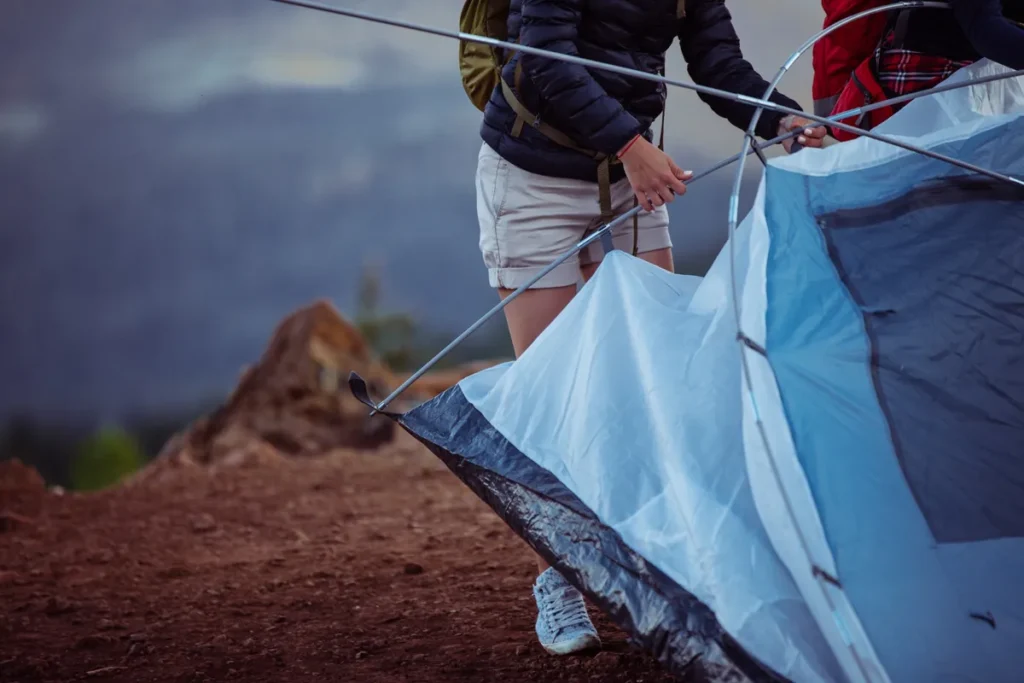
1. Do a Practice Setup Before Your Camping Trip
Even a tent marketed as easy to pitch can feel complicated when you’re working with unfamiliar poles, clips and guylines.
Set it up at home before your trip, particularly if it’s new or hasn’t been used in a while. Check that the poles, stakes, rainfly and any separate footprint are all there.
It’s also worth attaching or adjusting the guylines ahead of time so you’re not trying to untangle them at the campsite.
Extra tip: Take a photo of the fully assembled tent and how its poles and rainfly fit together. It can be a useful reference if you misplace the instructions.
2. Use a Footprint That Fits Under Your Tent
A tent footprint helps protect the floor from abrasion, sharp debris and repeated use on rough ground.
If you’re using a DIY groundsheet rather than a fitted footprint, make sure none of the material extends beyond the tent floor. Fold any excess underneath.
Otherwise, rain can land on the exposed groundsheet and collect between it and the bottom of your tent.
This is one of those small setup details that can make a real difference during wet weather.
For a closer look at sizes and materials, see our guide to choosing a tent footprint.
3. Choose Your Tent Spot With Rain in Mind
That perfectly flat patch of ground might look ideal until you notice it’s sitting at the bottom of a shallow dip.
Before pitching, look at the surrounding ground and consider where rainwater would flow. Choose an established, level campsite with good drainage, avoiding hollows, dry streambeds and areas beneath damaged branches.
You should also leave enough distance between your tent and the campfire to protect the fabric from sparks.
Extra tip: Lie down on the groundsheet before assembling the tent if conditions allow. You’ll quickly notice any slope or uncomfortable bump you missed while standing.
4. Use Colour-Coded Bags to Organise Your Tent Parts
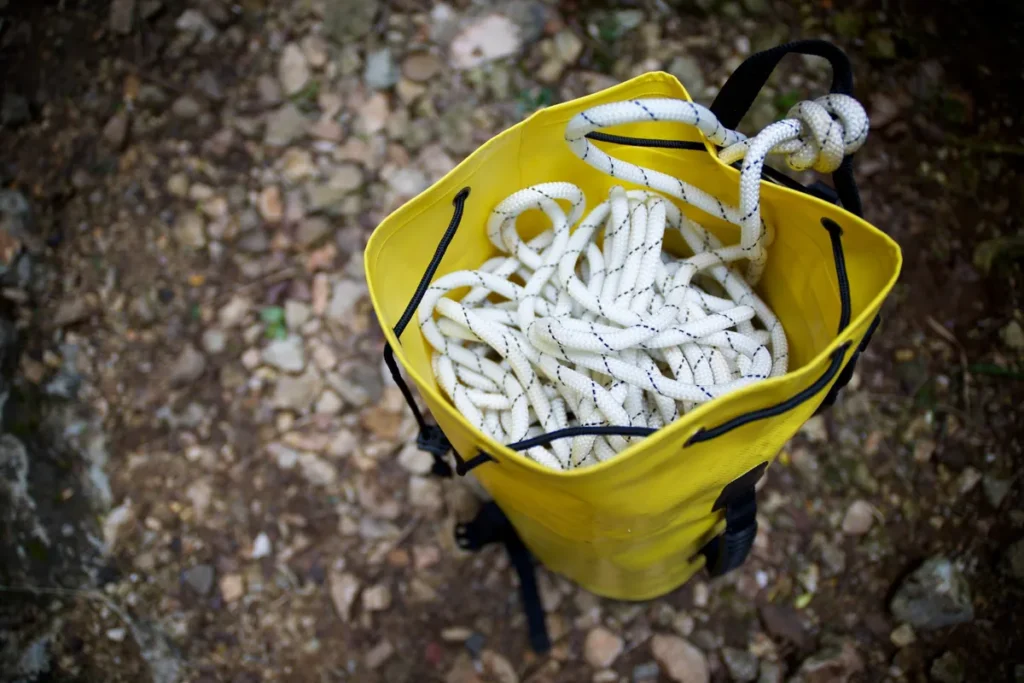
Instead of stuffing every small accessory into one bag, separate the items that are easy to lose.
A small pouch for stakes, another for repair supplies and a dedicated bag for guylines can make pitching and packing up considerably simpler.
Choose different colours or label each pouch so you can identify what you need without emptying everything onto the ground.
Keep the bags together inside the tent’s main storage sack.
5. Mark Your Guylines So They’re Easier to See at Night
Tent guylines are surprisingly easy to trip over, especially when they’re stretched across a dark campsite.
Add reflective cord or reflective markers to existing guylines, particularly around the tent entrance and frequently used walking routes.
A headlamp will illuminate reflective material much more easily than ordinary dark cord.
This is particularly useful when camping with children or sharing a campsite with several tents.
Tent Camping Hacks for Staying Dry
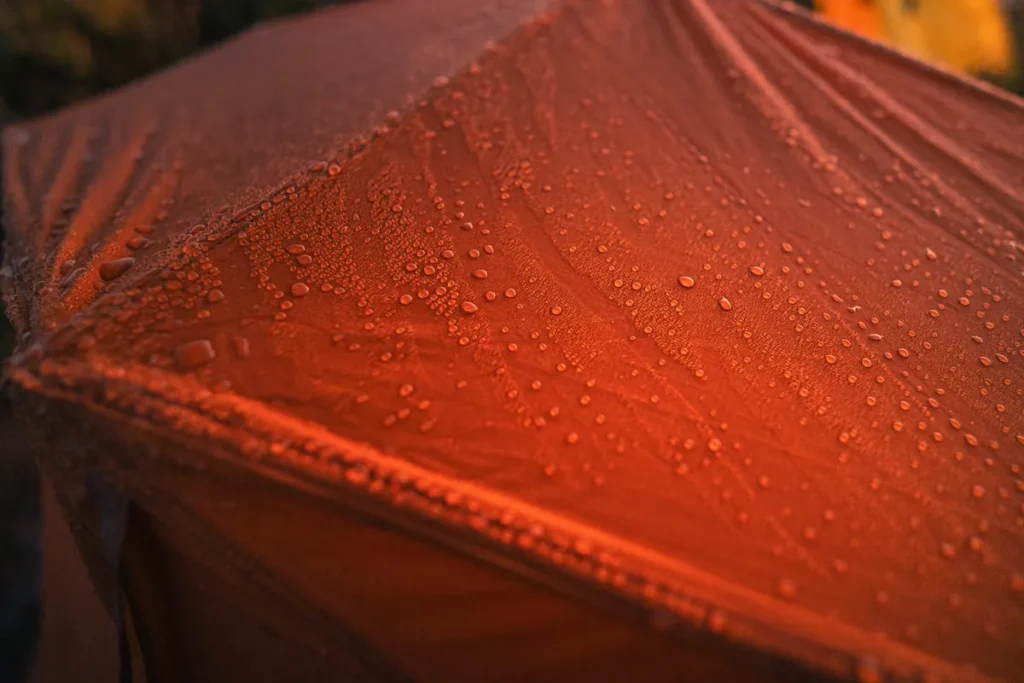
6. Keep the Rainfly Properly Tensioned
A rainfly works best when it’s installed according to the tent’s design, with enough tension to maintain separation between the outer fly and inner tent.
Check that it’s secured properly and that the guylines are adjusted for the conditions.
If the fly sags against the inner tent, moisture can transfer more easily between the layers.
Recheck the tension after pitching, especially if the weather changes overnight.
7. Leave Some Ventilation Open to Reduce Condensation
Waking up to moisture on the inside of your tent doesn’t necessarily mean it’s leaking.
Condensation forms when humid air inside the tent meets colder surfaces. Breathing, damp clothing and wet equipment can all contribute.
Keep the tent’s vents open where conditions permit, and use the rainfly’s ventilation features rather than sealing everything shut.
Try to avoid storing wet clothes inside your sleeping area when you have a suitable alternative.
Ventilation won’t eliminate condensation in every situation, but it can make a noticeable difference.
If wet weather is in the forecast, our guide to camping in the rain has additional practical tips.
8. Create a Separate Space for Wet Shoes and Clothing
One of the easiest ways to keep a tent comfortable is to stop wet gear from spreading moisture and dirt through the sleeping area.
If your tent has a vestibule, use it for muddy boots and other items that don’t need to come inside.
A small waterproof tray or durable bag can also help contain wet footwear when space allows.
For clothing, keep damp items separate from your dry sleeping gear until you can hang them somewhere suitable.
Avoid leaving shoes outside unprotected if rain or wildlife could become a problem.
9. Keep a Dedicated Dry Bag for Your Sleeping Clothes
Even if the rest of your gear gets damp, having completely dry clothes to change into at night makes camping much more comfortable.
Pack your sleeping clothes and spare socks in a waterproof dry bag or another reliably water-resistant container.
Only take them out when you’re ready to change, and put them away again in the morning if conditions are wet.
This is especially useful during rainy trips, when bags are repeatedly opened and moved around the campsite.
10. Pack a Small Microfiber Towel for Morning Moisture
A compact microfiber towel is handy for wiping condensation from tent surfaces, drying small items and dealing with unexpected spills.
Keep it somewhere accessible rather than buried in your wash bag.
If the inside of your tent is damp in the morning, you can gently remove excess moisture before packing.
Just remember that wiping away condensation doesn’t solve its cause. Ventilation and keeping wet gear out of the sleeping area are still important.
Tent Organisation Hacks for a Less Cluttered Campsite
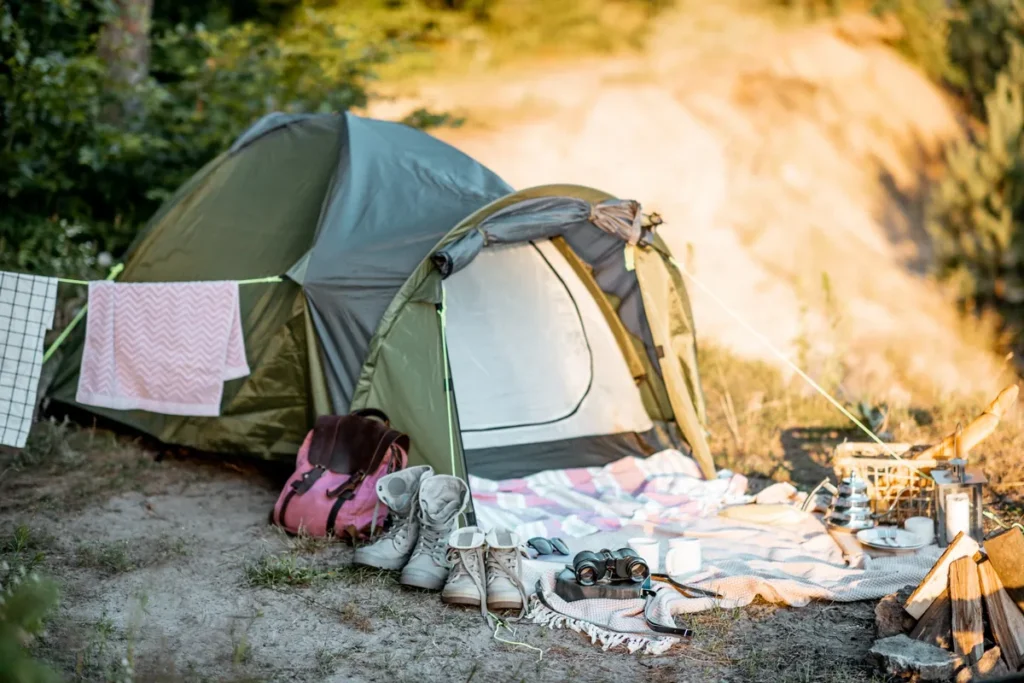
11. Give Every Essential Item a Designated Spot
A tent becomes cluttered remarkably quickly when headlamps, chargers, glasses and other small belongings are scattered across the floor.
Use the tent’s built-in pockets for the things you need most often.
A hanging gear loft can also be useful if your tent is designed to support one.
Try keeping your headlamp in the same pocket every night. That way, you can find it without searching through your sleeping bag in the dark.
12. Use Packing Cubes Instead of Living Out of a Duffel Bag
Packing cubes aren’t just useful for travel. They’re also a practical way to organise clothes inside a tent.
Separate clean clothing, sleepwear and spare layers into different cubes.
You can then take out the one you need instead of unpacking your entire bag.
For car camping, a small storage bin can serve a similar purpose, especially if you’re staying in one place for several nights.
13. Keep a Small Essentials Pouch Beside Your Sleeping Bag
Create a little bedtime kit with the items you’re most likely to reach for after dark.
Think headlamp, lip balm, tissues, glasses, earplugs and a power bank.
Keep everything in one soft pouch that fits into your tent pocket or beside your sleeping pad.
It’s a simple habit, but it saves a surprising amount of rummaging around at night.
14. Use a Collapsible Basket for Loose Campsite Items
For car camping, a lightweight collapsible basket is useful for the small things that otherwise end up scattered around the tent.
You can use it for toiletries, spare batteries, sunscreen, a book or other everyday items.
Choose something that folds flat when not in use.
Keep food and scented products out of your sleeping tent and store them according to the campground’s wildlife guidance.
Tent Sleeping Hacks for Better Comfort
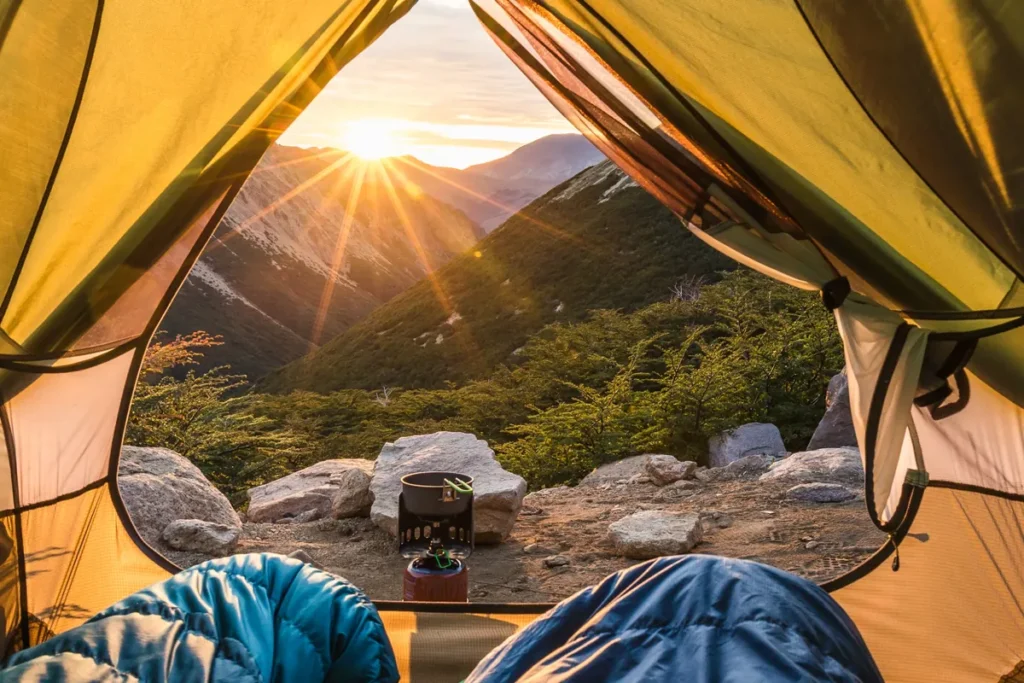
15. Put More Thought Into Your Sleeping Pad Than Your Pillow
A comfortable sleeping pad does more than soften the ground. It also helps insulate you from the cold surface beneath your tent.
Check the pad’s insulation rating and suitability for the temperatures you expect, rather than choosing purely on thickness.
For car camping, a wider or thicker pad may be worth the extra bulk. Backpackers will usually need to balance comfort against weight and packed size.
A good pad can make more difference to your night’s sleep than adding another blanket on top.
For more ways to stay warm in a tent during colder trips, see our dedicated guide.
16. Use a Stuff Sack as a Makeshift Pillow
If you’re short on packing space, a soft stuff sack filled with spare clothing can work as a pillow.
A fleece or other soft layer makes a comfortable outer surface, while a few loosely packed clothes provide support.
Avoid overfilling it, as a tightly packed bundle can be surprisingly uncomfortable.
It’s a particularly useful option for backpacking trips when you’re trying to keep your equipment lightweight.
17. Prepare Your Sleeping Area Before It Gets Dark
Setting up your sleeping pad, sleeping bag and bedtime essentials is much easier while there’s still daylight.
Inflate your pad, arrange your sleeping gear and check that your headlamp works before the sun goes down.
If you’re expecting cold weather, have your warm layers ready rather than leaving them at the bottom of your bag.
A few minutes of preparation makes getting into bed much less of a production.
18. Keep Tomorrow’s Clothes Within Easy Reach
Cold mornings can make leaving a warm sleeping bag particularly unappealing.
Instead of searching for clothes when you wake up, prepare your next day’s outfit before going to sleep.
Keep it in a dry packing cube near your sleeping area, away from condensation and wet gear.
If temperatures are low, keeping a suitable dry base layer close at hand can make the morning routine easier.
For more detailed advice on insulating a tent for winter camping, see our cold-weather guide.
Clever Hacks for Everyday Tent Camping Problems
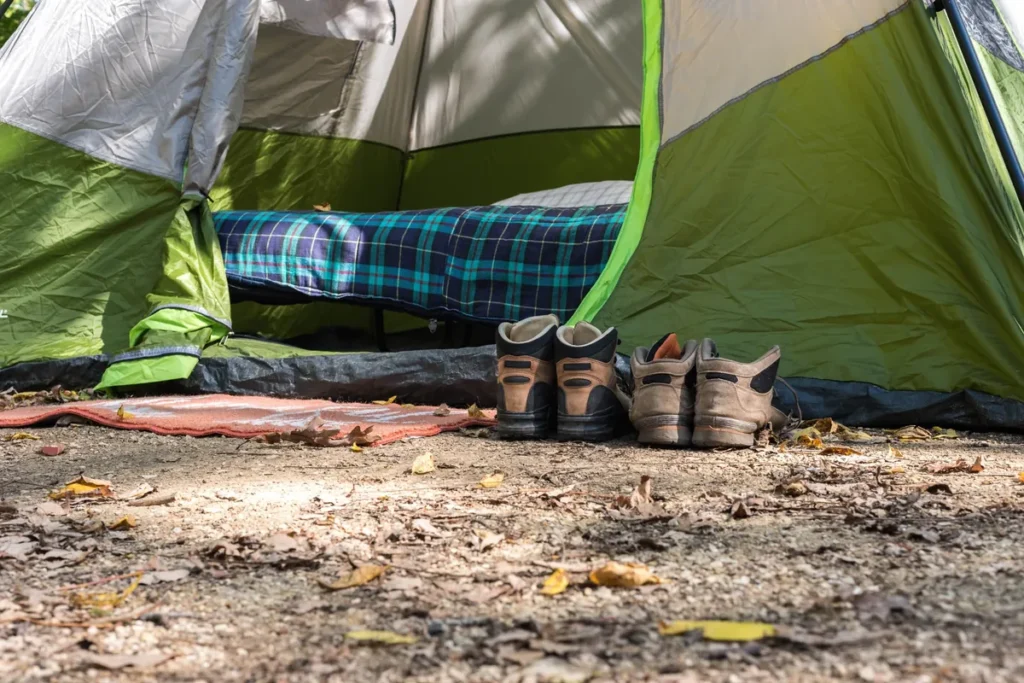
19. Make a Simple Shoe-Cleaning Station Outside Your Tent
A small brush and an old towel near the entrance can help prevent dirt and grit from ending up inside your tent.
Brush off loose mud before removing your shoes, and use the towel to clean anything that needs a quick wipe.
For longer car camping trips, a small mat outside the entrance provides a convenient place to stand while changing footwear.
Keep the setup compact so it doesn’t become another obstacle around your guylines.
20. Use a Headlamp With a Diffuser for Softer Tent Lighting
A bright headlamp is useful for navigating the campsite, but it can be uncomfortable when someone shines it directly into your eyes inside a small tent.
A headlamp with a built-in diffuser or low-output lantern mode provides softer, more even illumination.
Alternatively, a compact battery-powered camping lantern can make the tent feel more comfortable in the evening.
Avoid open flames, candles and fuel-burning lanterns inside tents. Battery-powered lighting is the safer option.
21. Pack Your Tent Away Using a Wet-and-Dry System
When it’s time to leave, separate wet tent components from your dry sleeping equipment.
If the rainfly is damp, pack it separately where possible so it doesn’t soak the inner tent or other gear.
You may need to pack everything temporarily while it’s wet, but don’t leave the tent stored that way.
As soon as you get home, unpack it and allow the fabric, rainfly and footprint to dry completely before putting them away for longer-term storage.
Tent Camping Hacks That Are Better Avoided
Not every camping trick circulating online is worth trying. A few popular suggestions can create more problems than they solve.
Digging trenches around your tent: This can damage campsites and isn’t a substitute for choosing well-drained ground. Use established campsites and leave the surrounding area undisturbed.
Sealing every vent to keep warm: This can increase condensation inside the tent. Appropriate sleeping insulation is a better way to stay warm.
Using candles or a camping stove to heat your tent: Never use combustion-based heating or cooking equipment inside a standard sleeping tent. Fire and carbon monoxide are serious hazards.
Keeping snacks inside your tent for convenience: Food and scented items can attract wildlife. Follow local campground food-storage rules, particularly in bear country.
A Few Tent Camping Essentials Worth Packing
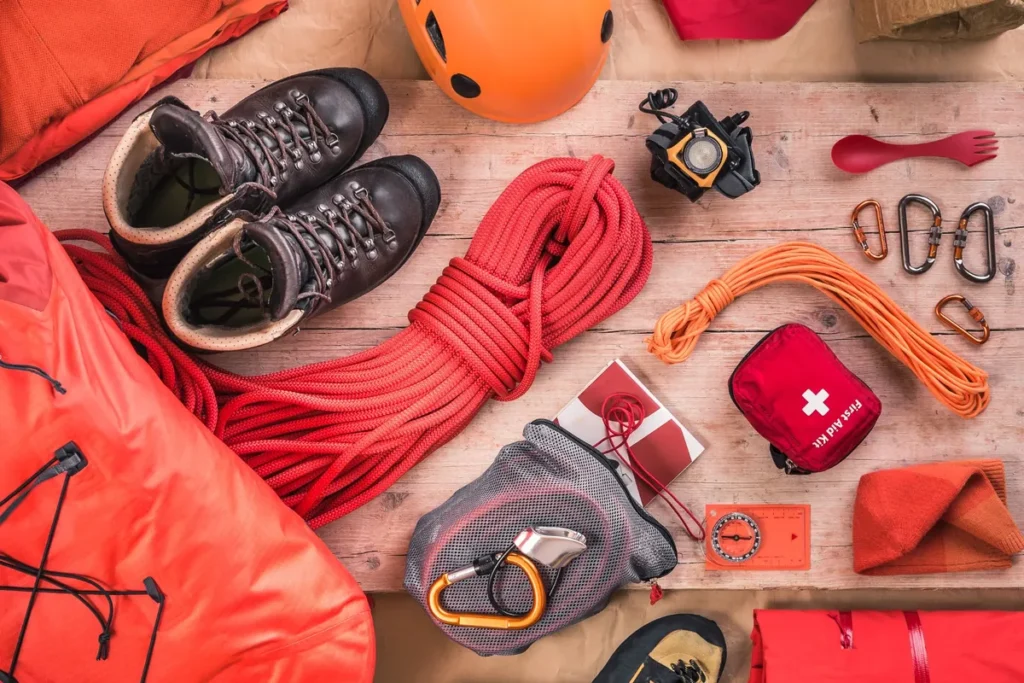
You don’t need a gadget for every camping inconvenience. A few inexpensive accessories can make several of these hacks easier to put into practice.
A properly sized tent footprint, reflective guylines, a reliable headlamp, waterproof storage bags, packing cubes and a small microfiber towel are all worth considering.
For car camping, a collapsible storage basket and an entrance mat can also be useful, provided you have room.
Choose the items that solve problems you’re actually likely to encounter, rather than filling your tent with things you’ll barely use.
If you are planning a car-based trip, our car camping checklist can help you check the rest of your gear before leaving.
Frequently Asked Questions About Tent Camping
What are the best tent camping hacks for beginners?
Start with the tricks that make setting up and staying organised easier. Practise pitching your tent at home, use a properly sized footprint, keep a headlamp within reach, and pack your sleeping clothes in a waterproof bag. These small habits can prevent some of the most common frustrations on a first camping trip.
How do you keep the inside of a tent dry?
Choose a well-drained campsite, pitch your rainfly correctly, and keep the tent’s ventilation openings clear. Store wet shoes and clothing separately from your sleeping area, and make sure your footprint doesn’t extend beyond the tent floor. Proper ventilation also helps reduce condensation overnight.
How can I make sleeping in a tent more comfortable?
Start with an insulated sleeping pad suitable for the expected temperatures, along with an appropriately rated sleeping bag. Choose level ground, keep dry clothes ready for bedtime, and use a comfortable pillow or a soft stuff sack filled with spare clothing. Earplugs can also help if you’re sensitive to campsite noise.
How do you organise a small camping tent?
Use the tent’s built-in storage pockets for frequently used items and packing cubes to separate clothing. Keep bulky equipment outside the sleeping area where it’s safe to do so, and give essentials like your headlamp, glasses and power bank a consistent place. Avoid bringing unnecessary gear inside.
Is it safe to use candles or heaters inside a camping tent?
Candles might create a cosy atmosphere, but open flames and tent fabric are a dangerous combination. The same goes for portable gas heaters and camping stoves, which can also produce carbon monoxide in enclosed spaces. For safer tent lighting, stick to battery-powered lanterns or LED fairy lights. If you’re worried about staying warm, invest in a properly insulated sleeping pad, a suitable sleeping bag, and warm layers rather than trying to heat the tent itself.
Final Thoughts
A comfortable tent camping trip doesn’t have to involve an elaborate setup or a car full of expensive equipment.
Often, it’s the small adjustments that help most: keeping your sleeping clothes dry, knowing exactly where your headlamp is, pitching your tent in the right place and having a sensible system for packing up.
Start with a handful of these tent camping hacks on your next trip. Once you’ve figured out which ones suit your camping style, you can build a setup that feels organised without losing the simplicity that makes tent camping so enjoyable.